

Trust Wallet is a popular crypto wallet for people who want direct control over their digital assets. Interest in crypto30x.com trust wallet centers on safety, wallet features, and real use. The topic matters because a wallet is not just a storage tool. It also connects assets, payments, swaps, and broader blockchain activity.
Trust Wallet supports more than simple coin storage. It gives access to transfers, NFTs, staking, and decentralized apps across several blockchain networks. That mix of control and convenience makes it relevant for beginners and active crypto users. The wider discussion around crypto30x.com often reflects the same focus on crypto tools, market access, and wallet-based activity.
Is Trust Wallet a Self-custody Wallet?
 Trust Wallet is a self-custody wallet. That means the wallet owner controls access instead of handing full control to an exchange or another platform. This model appeals to people who want direct ownership of their assets and more freedom in how they store, move, and use crypto across different networks.
Self-custody also brings more responsibility. The wallet owner must protect access, manage backups, and understand the risks that come with direct control. That is one reason this topic connects naturally with lessinvest.com crypto, where control, storage, and market participation all depend on clear wallet use.
Understand the Basics of Self-Custody:
- Direct control over wallet access
- No full dependence on exchange custody
- Personal responsibility for backups
- Greater freedom across blockchain networks
What Makes Trust Wallet Useful for Everyday Crypto Use?
Trust Wallet is useful because it combines several crypto functions in one place. It allows asset storage, balance checks, token management across different chains, NFT access, and dApp connection. This all-in-one design makes the wallet easier to use for people who do not want separate tools for common crypto tasks.
Its convenience also fits fast-moving market activity. Portfolio movement, token swaps, and quick access matter when people compare wallet options with platforms such as money6x.com that focus on financial growth and digital income themes. Trust Wallet stands out because it supports daily crypto activity without forcing a complicated setup or a narrow single-chain experience.
How Do Recovery Phrases Affect Wallet Safety?
A recovery phrase is the most important backup in a self-custody wallet. It protects long-term access if a device is lost, damaged, or replaced. In simple terms, it is the foundation of ownership. A wallet can look polished and modern, but real safety still depends on how well that recovery phrase is protected.
This part of wallet security often carries more weight than design or convenience. The same principle appears across personal finance topics like gomyfinance.com create budget, where long-term control depends on strong habits and careful planning. In crypto, that discipline starts with protecting the recovery phrase.
Protect the recovery phrase carefully:
- It protects wallet access
- It helps restore access on a new device
- It sits at the center of self-custody
- It matters more than extra wallet features
Is Trust Wallet Suitable for Beginners?
Trust Wallet often suits beginners because it has a simpler interface than many technical wallet products. The layout feels easier to understand, and the wallet supports enough features to remain useful as knowledge grows. That makes it appealing for people who want to move beyond exchanges without using something too complex.
Beginner-friendly design still does not remove the responsibilities of self-custody. A simple layout cannot fix weak security habits or careless wallet use. This balance matters in the same way it does on lessinvest.com, where financial decisions look easier on the surface but still depend on clear judgment and careful action.
Spot the Key Benefits for Beginners:
- Clearer layout
- Easier access to main wallet functions
- Support for more than simple coin storage
- A smoother entry into self-custody
How Does Trust Wallet Support Nfts, Swaps, and dApps?
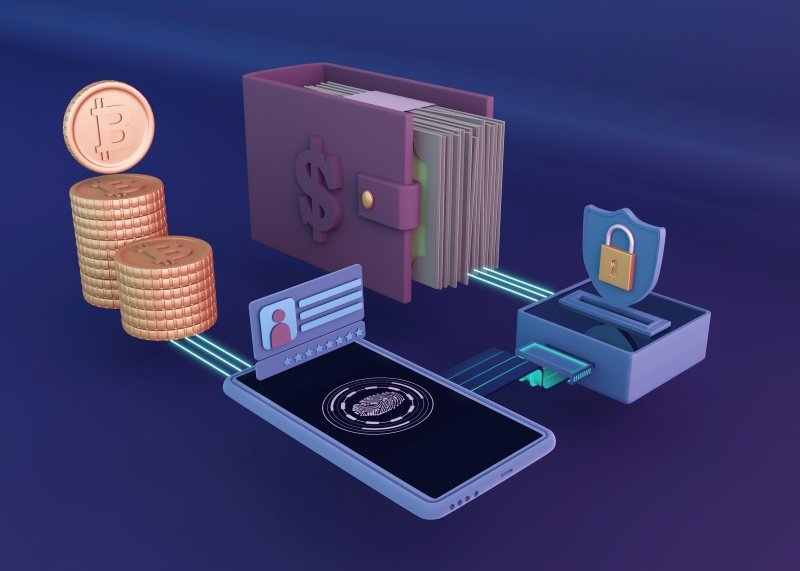 Trust Wallet supports more than basic asset holding. It also connects to NFTs, token swaps, and decentralized applications. That broader role has made it relevant in a crypto market where wallets now act as gateways to many parts of the blockchain ecosystem instead of serving only as places to keep coins.
This wider role also fits broader digital finance themes. Wallet use, token access, and app interaction are often part of the same conversation found around money6x.com earning, where people look at ways digital platforms connect value, utility, and online financial activity.
Learn How It Is Commonly Used:
- Manage NFTs: Trust Wallet helps manage digital collectibles inside the wallet environment.
- Handle swaps: The wallet supports token exchange functions inside one app.
- Connect to dApps: Trust Wallet connects to decentralized platforms for broader blockchain activity.
How Does Trust Wallet Compare With MetaMask and Coinbase Wallet?
Trust Wallet, MetaMask, and Coinbase Wallet are all major names in self-custody, but they support different habits. Trust Wallet is often known for broad multi-chain convenience and strong mobile appeal. MetaMask is closely tied to Ethereum-focused activity, while Coinbase Wallet often appeals to those who prefer a familiar ecosystem.
The better option depends on the role the wallet needs to play. Trust Wallet often stands out when flexibility matters across several chains and use cases. That kind of comparison also fits with gomyfinance.com invest, where choosing the right platform or tool depends on goals, usability, and how much control a person wants over assets.
| Wallet | Best Fit | Main Strength |
| Trust Wallet | Broad crypto activity | Supports wide wallet utility across storage, swaps, NFTs, and dApps |
| MetaMask | Ethereum-focused activity | Works well for Ethereum and browser-based Web3 use |
| Coinbase Wallet | Familiar exchange-linked ecosystem | Feels more familiar to users who prefer a mainstream brand environment |
What Are the Real Risks of Hot Wallet Use?
The main risks of hot wallet use usually come from online exposure and wallet behavior. Phishing attempts, fake apps, harmful links, and rushed approvals can all create serious problems. Because a hot wallet is built for active internet use, it naturally stays closer to the threats that exist across the online crypto environment.
This is the trade-off behind convenience. Easy access makes a wallet more useful for daily activity, but it also means more caution is needed. Similar risk-and-reward thinking appears in discussions around money6x.com make money, where fast opportunity can look attractive but still requires attention, discipline, and smart decision-making.
Should Large Balances Stay in the Trust Wallet?
Trust Wallet can hold large balances, but that does not always make it the best option for long-term storage. Since it is a hot wallet, it stays more exposed than a storage method built for stronger isolation. For that reason, many people treat it as a wallet for active use instead of a single storage solution.
A split approach often makes more sense. Active funds can stay in a hot wallet, while larger long-term holdings can move to cold storage. That kind of structure fits the same mindset found in crypto30x.com bitcoin price discussions, where short-term movement and long-term holding often require different strategies and different levels of protection.
Split wallet roles clearly:
- Hot wallet for active use
- Cold storage for larger long-term holdings
- Separate roles for convenience and protection
How Does Wallet Legitimacy Shape Confidence?
Confidence grows when a wallet has a clear purpose and a clear role in the crypto market. Trust Wallet has built that confidence through self-custody, broad wallet utility, and easy access to common crypto functions. That matters because clarity helps the wallet stand out in a crowded market filled with competing names and tools.
Clear identity also makes comparison easier. A wallet becomes easier to trust when its strengths and limits are easy to understand. The same kind of market perception appears around crypto30x.com gigachad, where branding, visibility, and strong recognition shape how a term or platform is understood in a wider crypto setting.
Final Thoughts
Trust Wallet remains an important name in self-custody because it combines convenience, control, and broad crypto utility in one place. It supports asset storage, multi-chain access, NFTs, swaps, staking, and dApps. That makes it useful for beginners and active users who want one wallet that supports more than simple storage.
Its role becomes clearer when viewed through safety, storage type, recovery phrase importance, and wider blockchain use. Trust Wallet works best as a flexible hot wallet for everyday crypto activity. This kind of practical structure also reflects how lessinvest.com invest and similar finance-focused topics frame control, planning, and long-term decision-making.
FAQs
Is Trust Wallet a self-custody wallet?
Yes. Trust Wallet is a self-custody wallet, which means the wallet owner controls access instead of depending fully on a third party.
Can Trust Wallet support NFTs and dApps?
Yes. Trust Wallet supports NFTs, decentralized apps, and broader Web3-related wallet activity across supported networks.
Is Trust Wallet a hot wallet?
Yes. Trust Wallet is a hot wallet because it works in an internet-connected environment designed for active use.
Is Trust Wallet good for beginners?
It often suits beginners because it is easier to understand than many technical wallet products and supports a wide range of useful wallet functions.
How is Trust Wallet different from cold storage?
Trust Wallet focuses on convenience and active use, while cold storage focuses more on stronger isolation for long-term holding.
Can Trust Wallet be used for long-term holding?
It can be used for that purpose, but many people prefer to separate active funds from larger long-term holdings by using both hot and cold wallet options.
