

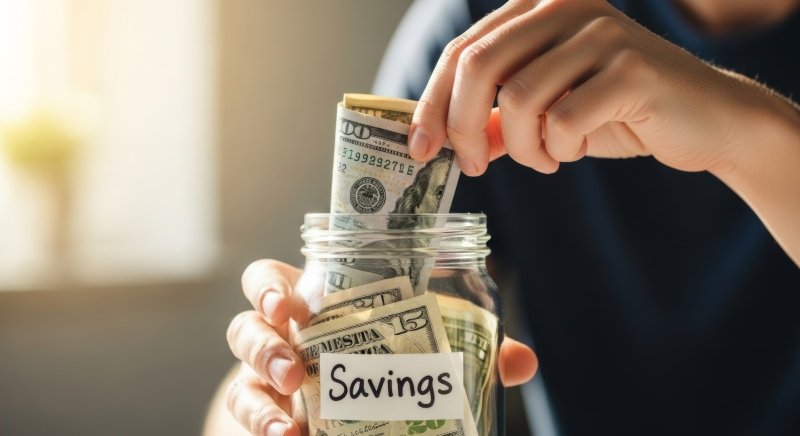
Saving money feels hard when prices keep rising and bills take a big part of your paycheck. Groceries cost more. Fuel prices change fast. Rent, utilities, and insurance keep pushing budgets to the limit. That is why many people search for Gomyfinance.com saving money tips. They want simple ways to track spending, cut waste, build an emergency fund, and make smarter money choices.
This guide focuses on budgeting, expense tracking, savings goals, debt repayment, automation, and better money habits. These steps help people manage monthly expenses, reduce financial stress, and build long-term financial stability. Many readers also explore gomyfinance.com because they want one place to learn the basics of better money management.
1. Why Saving Money Matters More Than Ever?
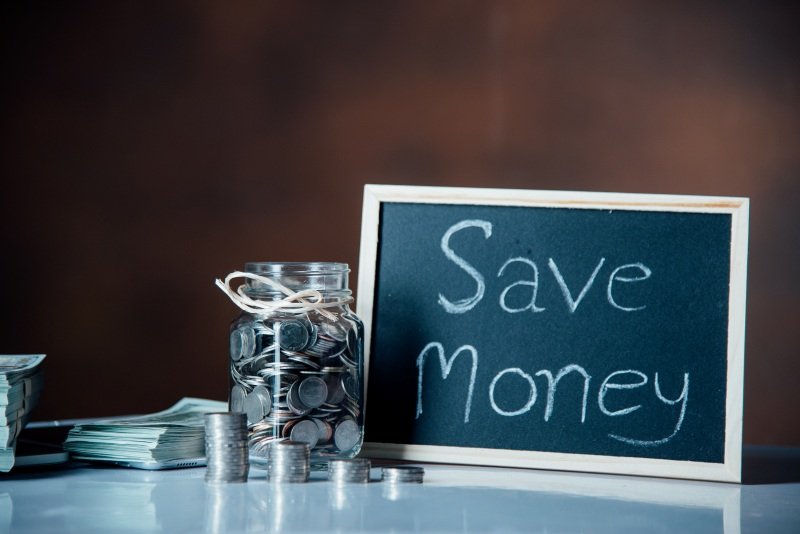 Saving money is not only about having extra cash. It gives safety, choice, and peace of mind. When people save money, they can handle surprise costs like medical bills, car repairs, school expenses, or home repairs without falling into debt.
Savings also help with bigger goals. A person may want to build an emergency fund, pay off debt, take a vacation, buy a car, make a down payment, or start investing. Each goal becomes easier with a saving plan. Without savings, even a small problem can turn into a major setback.
A smart saving system focuses on simple money management. It teaches people to budget, track monthly expenses, reduce invisible expenses, and automate savings. These habits help people stop wasting money and start building financial security.
2. Build a Clear Budget and Record Your Expenses
A budget is the base of every saving plan. If money has no plan, it often disappears fast. A clear budget shows income, fixed bills, variable costs, and a savings target. It turns guesswork into a system.
Start with monthly income. Then list the main spending categories such as housing, groceries, utilities, transport, insurance, debt payments, and entertainment. After that, record actual spending. This step matters because people often forget small costs like coffee runs, food delivery, online shopping, app renewals, and bank charges.
Expense tracking helps uncover money leaks. Many people think they spend only a little on subscriptions or impulse purchases, but those small costs add up fast. A spreadsheet, notebook, digital banking insights, or budgeting app can all work. The best tool is the one used every week.
You Can Also Read: Gomyfinance.com Create Budget: Easy Guide to Manage Money Effectively
3. Use the 50/30/20 Budget Rule to Improve Cash Flow
One of the simplest ways to manage a budget is the 50/30/20 rule. It is simple, flexible, and beginner friendly.
| Category | Share of Income | Examples |
| Needs | 50% | Rent, groceries, utilities, transport, insurance |
| Wants | 30% | Dining out, streaming, shopping, entertainment |
| Savings and Debt | 20% | Emergency fund, debt repayment, investments |
This rule helps divide money with purpose. Needs cover the basics. Wants cover lifestyle spending. Savings and debt support future goals. If saving 20% feels too hard, starting with 5% or 10% still builds progress.
Some households need a different version because rent or bills are too high. That is normal. The goal is not perfect numbers. The goal is to create a system that improves cash flow and keeps spending under control.
4. Set Specific Savings Goals That Feel Real
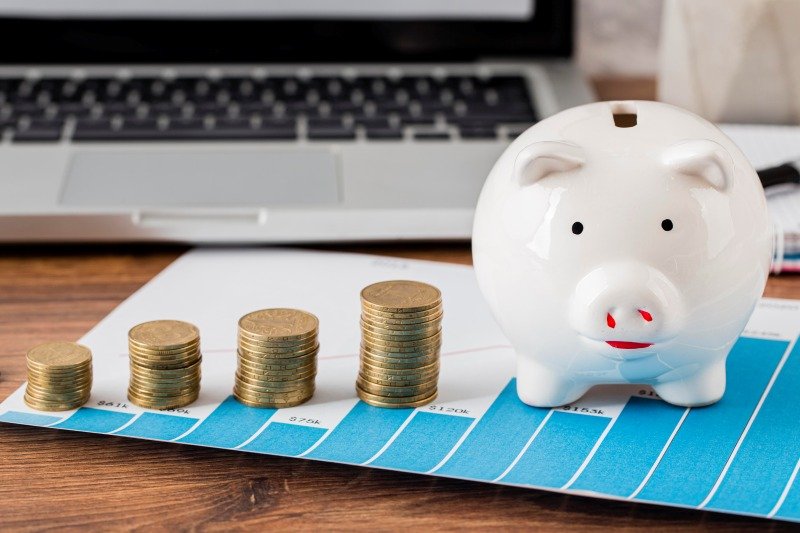 A saving goal works better when it is clear. “Save more money” sounds good, but it is too vague. A better goal gives a number and a deadline.
A simple target can be:
- Save $500 for a starter emergency fund
- Save $1,200 for annual bills
- Save $3,000 for a vacation fund
- Save one month of living expenses
Big goals feel easier when broken into smaller parts. A $1,200 goal becomes $100 a month or about $25 a week. That sounds more realistic. Clear goals also build motivation because progress becomes easy to see.
Saving advice works best when it turns large goals into small steps. That makes saving feel possible, even on a low income or a tight budget.
You Can Also Read: Money6x.com Save Money Tips to Reduce Spending and Build Savings
5. Automate Your Savings and Pay Yourself First
Automation makes saving easier because it removes daily choice. When savings happen first, that money is less likely to get spent somewhere else.
Set up an automatic transfer from checking to savings right after payday. Money can go into an emergency fund, vacation fund, sinking fund, or retirement account. Even a small transfer matters when it happens every week or every month.
This habit is called paying yourself first. It is one of the strongest saving methods because it builds consistency. There is no need to rely on memory or willpower. The system does the work. Once the saving habit feels stable, some people begin learning about gomyfinance.com invest topics to understand the next step after basic saving.
If income is irregular, a small minimum amount can still be automated, then extra money can be added during stronger months. This works well for freelancers, gig workers, and side hustlers.
6. Cut Invisible Expenses, Subscriptions, and Unnecessary Fees
Many people try to save by making huge sacrifices. That usually does not last. A better move is to cut expenses that bring little value.
Start with hidden costs:
- Unused subscriptions
- Delivery fees
- Bank fees
- Late payment charges
- Impulse online shopping
- Food waste
- App renewals
- Convenience spending
These are invisible expenses because they do not look large by themselves. Together, they can damage a budget. Reviewing monthly statements and canceling anything unnecessary can create fast savings.
The 24-hour rule also helps. Before buying a non-essential item, wait one full day. That pause reduces impulse spending and leads to smarter shopping decisions. Many wants disappear after a little time. The same thinking also helps readers who search money6x.com make money, because earning more is useful, but controlling waste is still essential.
7. Build an Emergency Fund in Simple Stages
An emergency fund protects against surprise expenses. It helps people avoid credit cards or loans when life does not go as planned.
A full emergency fund can take time, so it helps to build it in stages.
| Stage | Target | Purpose |
| Starter fund | $500 to $1,000 | Covers small emergencies |
| Basic fund | 1 month of expenses | Handles short money problems |
| Full fund | 3 to 6 months of expenses | Protects against job loss or major setbacks |
A starter emergency fund is often the best first goal. It creates a financial buffer and lowers stress right away. After that, savings can grow toward a stronger reserve.
This money should stay in a separate savings account so it does not get spent by accident. The purpose of an emergency fund is safety, not daily use.
8. Use Debt Repayment Tools Without Ignoring Savings
Debt can slow down saving, especially high-interest credit card debt. Interest charges eat income and make progress harder. That is why debt repayment should be part of a saving plan.
Two common strategies work well:
- Debt avalanche: pay the highest-interest debt first
- Debt snowball: pay the smallest balance first for quick wins
Both methods can help. Avalanche saves more money in interest over time. Snowball gives faster motivation. The best method is the one a person can follow consistently. People also pay more attention to borrowing costs when reviewing their gomyfinance.com credit score and trying to improve financial health.
Savings should not stop completely while paying debt. A small emergency fund should come first. After that, high-interest debt can become the main target while a small savings habit stays active. This helps prevent new debt when an unexpected bill appears.
9. Improve Daily Spending Habits and Lower Monthly Costs
Saving money becomes easier when daily habits support financial goals. Small actions repeated every week can improve an entire budget.
Helpful habits include:
- Meal planning before grocery shopping
- Cooking at home more often
- Packing lunch
- Comparing prices before buying
- Using cashback and reward programs
- Reviewing bills and recurring charges
- Lowering energy consumption at home
- Driving less or using public transport when possible
These habits improve cash flow without making life feel too restricted. Meal prep can lower food costs. Energy-efficient home habits can reduce utility bills. Price comparison can cut shopping costs. Each small win creates more room for savings. Some people search money6x.com earning when they want faster results, but lowering monthly costs can raise savings just as effectively.
Financial minimalism also helps. It does not mean living with nothing. It means spending on what matters and cutting what does not.
10. Grow From Saving Money to Long-Term Wealth Building
Saving money is the first step. Long-term wealth building comes after that. Once a budget is stable and the emergency fund starts growing, the next level becomes possible.
That may include:
- High-yield savings accounts
- Retirement accounts like 401(k) or IRA
- Index funds
- ETFs
- Automatic investment apps
- Multiple income streams
Saving creates stability. Investing helps money grow over time. A person does not need a lot of money to begin. Small, regular contributions still matter because compound growth works best when started early. As confidence grows, some readers explore terms like lessinvest.com invest or gomyfinance invest while comparing beginner investment ideas.
Saving money also connects with investing, credit score improvement, debt management, and financial planning tools. First comes control. Then comes growth.
Final Thoughts on Gomyfinance.com Saving Money
Gomyfinance.com saving money is not about extreme cutting or hard rules. It is about using practical tools and smart habits to control cash flow, reduce waste, and build a stronger future. A clear budget, expense tracking, savings goals, automation, debt repayment, and better spending habits can work together as one system.
A perfect plan is not required. A simple plan that works every week is enough. Start by tracking expenses. Choose a budgeting method like the 50/30/20 rule. Set one savings goal. Automate a small transfer. Cut a few invisible expenses. Build an emergency fund one step at a time.
That is how real saving works. Small actions done consistently create big results.
FAQs
What is Gomyfinance.com saving money?
It is a branded personal finance topic focused on budgeting, saving money, expense tracking, debt repayment, automation, and better money habits.
How can beginners start saving money easily?
Beginners can start by tracking expenses, making a simple budget, setting one savings goal, and automating a small weekly or monthly transfer.
What is the 50/30/20 budget rule?
It is a budgeting system that puts 50% of income toward needs, 30% toward wants, and 20% toward savings and debt repayment.
How much should be saved for an emergency fund first?
A good first goal is $500 to $1,000. After that, savings can grow toward one month of expenses and then three to six months.
Is it better to save money or pay off debt first?
A small emergency fund should come first. Then high-interest debt can become the main focus while a small savings habit stays in place.
What expenses should be cut first to save money fast?
The best place to start is subscriptions, delivery fees, bank charges, late fees, food waste, impulse purchases, and other invisible expenses.
